
When asked about what is the most powerful social media in China, definitely, most people will choose WeChat (similar to a combination of Twitter and Facebook). In WeChat, users can communicate with friends and family members singly or in a group, or talk to others using real-time video. Users can also show their personal life by adding photos, videos or commends in the “Discover Moments” function. This function is similar to Facebook. By the end of 2014, Wechat possess more than 1.1 billion users, with 0.4 billion are active users. We know that the smartphone inventory in China is 0.5 billion, so Wechat has controled more than three quarters of all smartphone users’ information. It is huge! 
At the beginning of this year, WeChat began to use its “Big Data”. On January 20th, the first group of Discover Moments advertisements put online. BMW, Coca Cola and Vivo mobile phone became the first group of advertisers. Every user has received only one of these three advertisements. Two month pass, the fever of Wechat social platform advertising has not calmed down. Professional marketers and industry insiders have various stances upon this interesting issue. After reading a couple of the reviews, I would like to bring the following question into discussion.
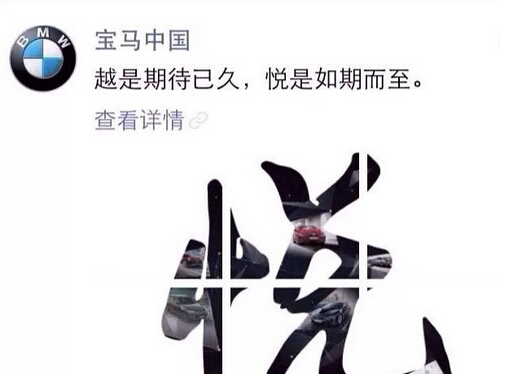 rich level users may received this BMW ad
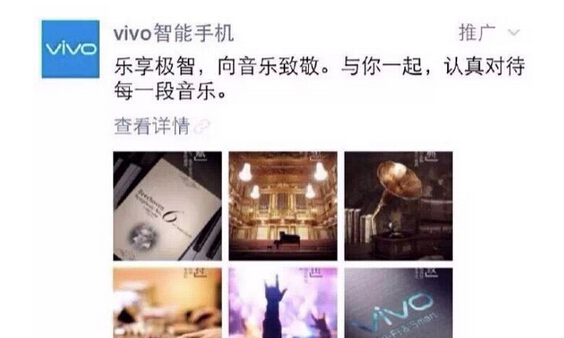
fashion-like young users may received this smartphone ad
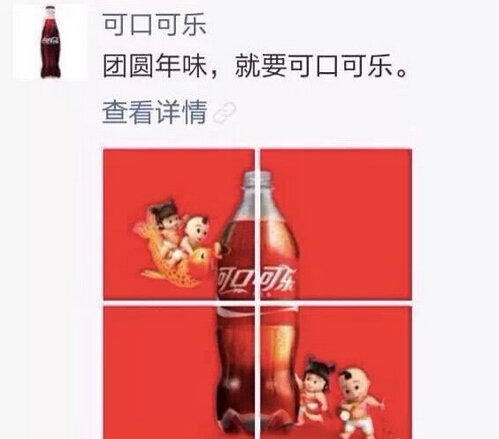
Teenagers or student users may received this Coca ad
My question is: How could we define real big data marketing? If WeChat used huge number of data and analysed them, can we simply judge that WeChat is doing Big Data Marketing? Wechat possess more than 1.1 billion users, with 0.4 billion are active users. These users generate tons of data every day. The data generated are published freely with no influence of any third party. I am really curious about what roles such data played in this Wechat advertising campaign.
By checking the advertising placement in the Wechat social media platform, I have the following speculations about the appliance of the data.
First, Wechat classify users into different groups based on their interests, which is indicated by the big data. Name users like luxury products followers or health conscious professionals etc. Then automatically filter the target of the advertisers to place advertisements specifically.
Second, classify the users based on demographic features, such as income, age, location, education and profession. Firstly, select the group of people sharing the same demographic features of the current and target customers of the advertisers. Tencent, Mother Company of Wechat, have done comprehensive tests before the Wechat campaign starts. They will ask users whether they are willing to be enrolled into the advertising program previously. Combining the pre-test results and the demographic features, Tencent will finally select the audience for the advertisement placement.
Thirdly, when we cannot classify the users based on the single prominent preference, we can generate the key words of each user based on their postings and their likes. Travel, technology products, food and so on are examples of the key words. Then rank the key words based on the preference of the users. After that, select the top key words to compare with the positioning of clients. Lastly place advertisements to customers with the most key words assemble the positioning of the clients.
These three models discussed above involved little about the Social Attributes of Wechat. If the company can clearly understand the customer purchasing behavior and preference from their data, the social attributes can be weakened. As Wechat possess tons of fresh data, it is of no difficulty for it to find out millions of potential BMW users. BMW will eager to purchase this short-cut to arrive their potential customers. However, this campaign only target the users in general by placing the advertisements in public social media section (Discover Moments Section)instead of generating individual conversation with each user privately. Publishing the advertisements in social media platform only remains in the stage of feed advertising. Wechat may have the potential to target the users more accurately in the future.
So, I want to ask dear Professor Nunzio: is this a good example of Big Data Marketing? Looking forward to your feedback.
By Lingxiang Wen
 Wen
Wen 